Low fat gluten free recipes - In the realm of low-fat gluten-free recipes, we embark on a culinary adventure that caters to both health-conscious individuals and those seeking a flavorful twist on their meals. This comprehensive guide will equip you with the knowledge and techniques to create tantalizing dishes that are both nutritious and satisfying.
As we delve into the world of gluten-free flours and low-fat cooking methods, you'll discover the secrets to crafting delicious meals that cater to your dietary needs. From grilling and roasting to experimenting with flavorful herbs and spices, we'll explore every aspect of creating a balanced and enjoyable menu.
Gluten-Free Flours and Their Uses
Gluten-free flours offer a wide range of options for those with celiac disease or gluten intolerance. These flours are made from various grains, nuts, and seeds, and each has unique properties and uses.
Types of Gluten-Free Flours
- Almond flour:Made from ground almonds, it has a fine texture and a nutty flavor. It is high in protein and fiber and can be used in baking, breading, and thickening sauces.
- Coconut flour:Derived from dried coconut meat, it has a high fiber content and a slightly sweet taste. It absorbs a lot of liquid, so it is best used in combination with other flours.
- Brown rice flour:Made from ground brown rice, it has a mild flavor and a slightly grainy texture. It is a good all-purpose flour for baking and can be used in a variety of recipes.
Substituting Gluten-Free Flours
When substituting gluten-free flours in recipes, it is important to consider their different properties. Almond flour and coconut flour absorb more liquid than wheat flour, so they may require additional liquid in recipes. Brown rice flour can be used in a 1:1 ratio with wheat flour, but it may result in a slightly denser texture.
Low-Fat Cooking Techniques
/GettyImages-547456459-584b58af5f9b58a8cdbb2004.jpg "Low-Fat Gluten-Free Recipes: A Guide to Healthy and Flavorful Eating")
Reducing fat content in recipes can help promote heart health and weight management. Here are some tips and tricks for cooking with less fat:
Grilling and Roasting
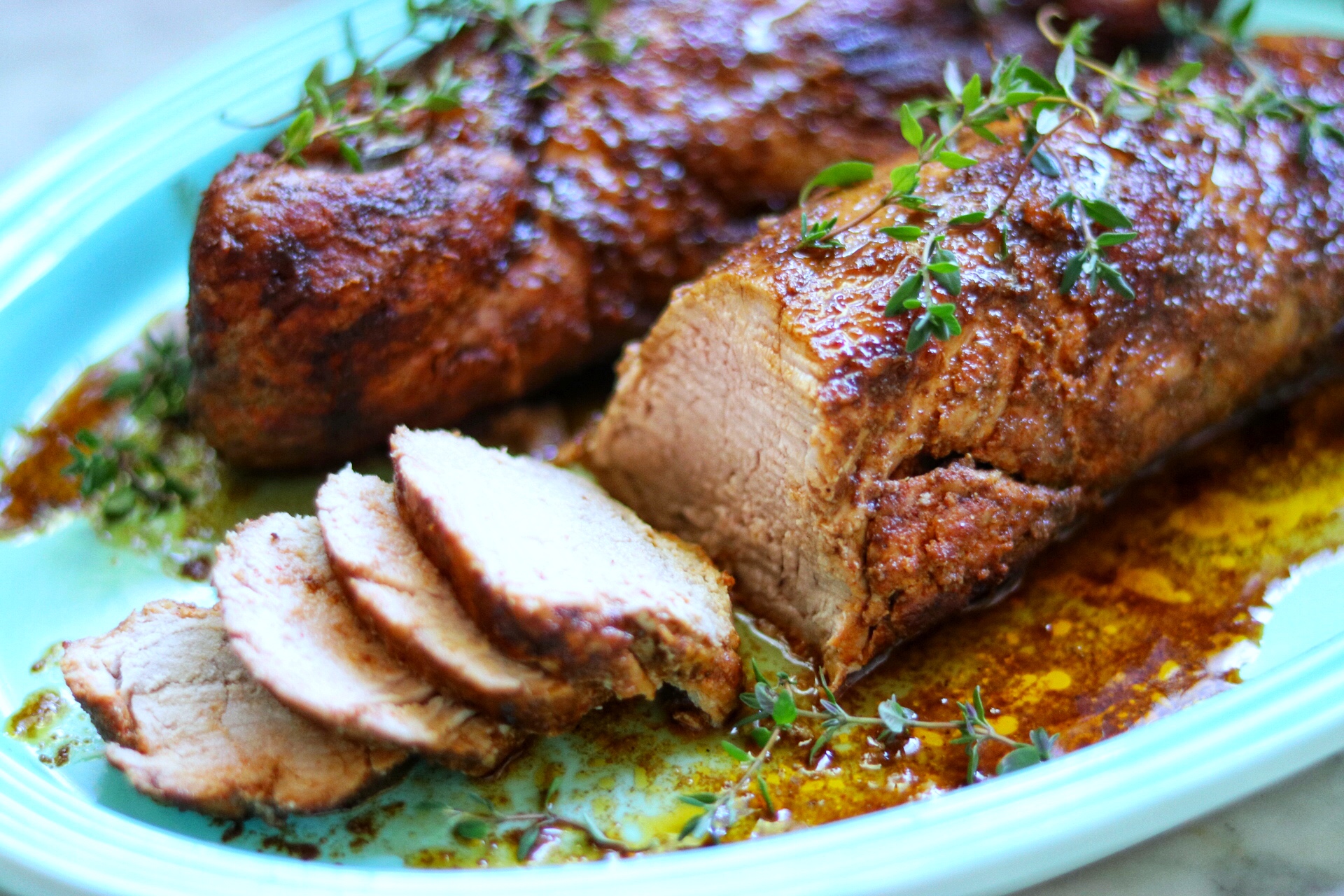
Grilling and roasting are excellent methods for cooking lean meats and vegetables with minimal fat. These methods allow excess fat to drip away from the food, resulting in a healthier meal.
Steaming
Steaming is a gentle cooking method that preserves nutrients and moisture in foods. It is a great way to cook vegetables, fish, and poultry without adding any fat.
Low-Fat Cooking Oils
- Olive oil:Rich in antioxidants and monounsaturated fats, it is a healthy choice for cooking and salad dressings.
- Canola oil:Low in saturated fat and high in omega-3 fatty acids, it is a versatile oil that can be used for frying, sautéing, and baking.
- Avocado oil:High in monounsaturated fats and antioxidants, it has a neutral flavor and a high smoke point, making it ideal for high-heat cooking.
Creating Flavorful Low-Fat Gluten-Free Dishes: Low Fat Gluten Free Recipes
Creating flavorful low-fat gluten-free dishes requires a combination of fresh ingredients and creative seasoning. Here are some tips:
Herbs and Spices
Herbs and spices add flavor to dishes without adding fat. Experiment with different combinations to create unique and delicious meals.
Citrus and Vinegar, Low fat gluten free recipes
Citrus juices and vinegar can brighten flavors and add a tangy touch to dishes. They can be used in marinades, sauces, and dressings.
Seasoning
Salt and pepper are essential seasonings for enhancing the taste of food. Use them sparingly to avoid overpowering the other flavors.
Planning a Low-Fat Gluten-Free Menu

| Meal | Dish | Nutritional Content |
|---|---|---|
| Breakfast | Oatmeal with berries and nuts | High in fiber, protein, and antioxidants |
| Lunch | Grilled chicken salad with quinoa | High in protein, fiber, and healthy fats |
| Dinner | Baked salmon with roasted vegetables | High in omega-3 fatty acids, fiber, and vitamins |
| Snacks | Fruit, vegetables, or gluten-free crackers | High in fiber, vitamins, and minerals |
Tips for Baking Low-Fat Gluten-Free Goods
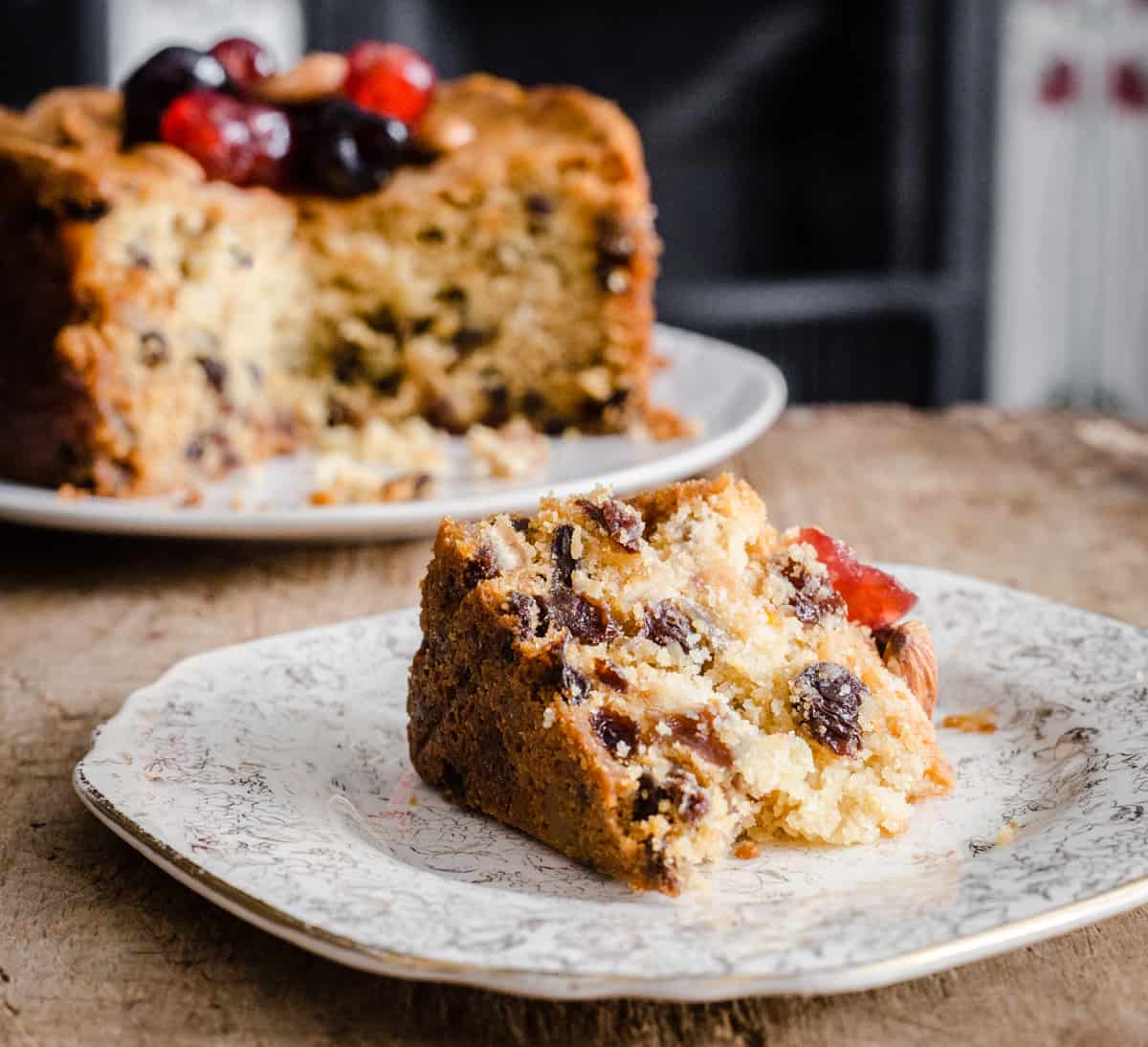
Baking low-fat gluten-free goods requires some adjustments to traditional recipes. Here are some tips:
Applesauce and Mashed Banana
Applesauce and mashed banana can be used as a substitute for butter in baking. They add moisture and sweetness without the added fat.
Dairy-Free Milk
Dairy-free milk, such as almond milk or oat milk, can be used in place of regular milk in baking. It provides moisture and nutrients without the saturated fat.
Egg Substitutes
Egg substitutes, such as flax eggs or chia eggs, can be used to bind ingredients together in baking. They provide a similar texture and structure without the cholesterol.
Wrap-Up
Whether you're a seasoned cook or just starting your gluten-free journey, this guide will empower you to create a wide range of low-fat gluten-free dishes that will delight your taste buds and nourish your body. Embrace the art of healthy and flavorful cooking, and let your culinary creations speak for themselves.